
Chemical Peels in Newport Beach
Improve dullness, uneven tone, sun damage, fine lines, acne-related concerns, and rough texture with a personalized chemical peel selected and performed by Dr. Stephen Fink at Newport Faces Cosmetic Surgery.
What Is a Chemical Peel?
A chemical peel is a skin-resurfacing procedure in which a carefully selected chemical solution is applied to the skin to remove damaged outer layers and encourage a smoother, more even-looking surface.
The depth of treatment can range from light exfoliation of the epidermis to a medium-depth peel that reaches the upper portion of the dermis. Deeper treatment generally produces more noticeable resurfacing but also requires more recovery.
Chemical peels may be used to improve selected concerns involving pigmentation, sun damage, acne, fine lines, rough texture, dullness, and superficial scarring. They do not remove deep scars or significantly tighten loose or sagging skin.
At Newport Faces Cosmetic Surgery, Dr. Stephen Fink selects the peel type, strength, application method, treatment area, and aftercare plan according to your skin tone, thickness, medical history, previous procedures, pigmentation risk, goals, and available recovery time.
Light, Medium & Deeper Chemical Peels
The appropriate depth is selected according to the concern being treated, skin characteristics, pigmentation risk, desired improvement, and the amount of downtime you can accommodate.
Light Chemical Peel
A superficial peel removes or exfoliates the outermost layer of skin. Improvements are usually subtle, and a series may be recommended.
- Dull or dry-looking skin
- Mild uneven tone
- Fine surface lines
- Selected acne-related concerns
- Usually the shortest recovery
Medium Chemical Peel
A medium-depth peel treats the epidermis and reaches the upper portion of the dermis for more noticeable resurfacing.
- More visible sun damage
- Uneven pigmentation
- Fine to moderate wrinkles
- Selected acne scars
- Greater peeling and recovery
Deeper Chemical Peel
Deeper resurfacing may address more advanced damage but requires careful medical selection, preparation, monitoring, and a longer recovery.
- More advanced wrinkles or damage
- Longer visible healing period
- Higher pigmentation and scarring considerations
- Not appropriate for every patient
- Only considered after physician evaluation
Examples of peel agents may include glycolic acid, lactic acid, salicylic acid, Jessner-type solutions, or trichloroacetic acid. The formula and strength used for your treatment are determined by Dr. Fink.
What Can a Chemical Peel Improve?
Chemical peels are selected according to the depth and cause of the skin concern rather than using the same formula for every patient.
- ✓Dull, weathered, or rough-looking skin texture
- ✓Fine lines and selected superficial wrinkles
- ✓Sun damage and uneven-looking skin tone
- ✓Selected areas of irregular pigmentation
- ✓Acne and selected superficial acne scars
- ✓Dryness, surface buildup, and lack of radiance
- ✓Selected areas on the face, neck, chest, or hands
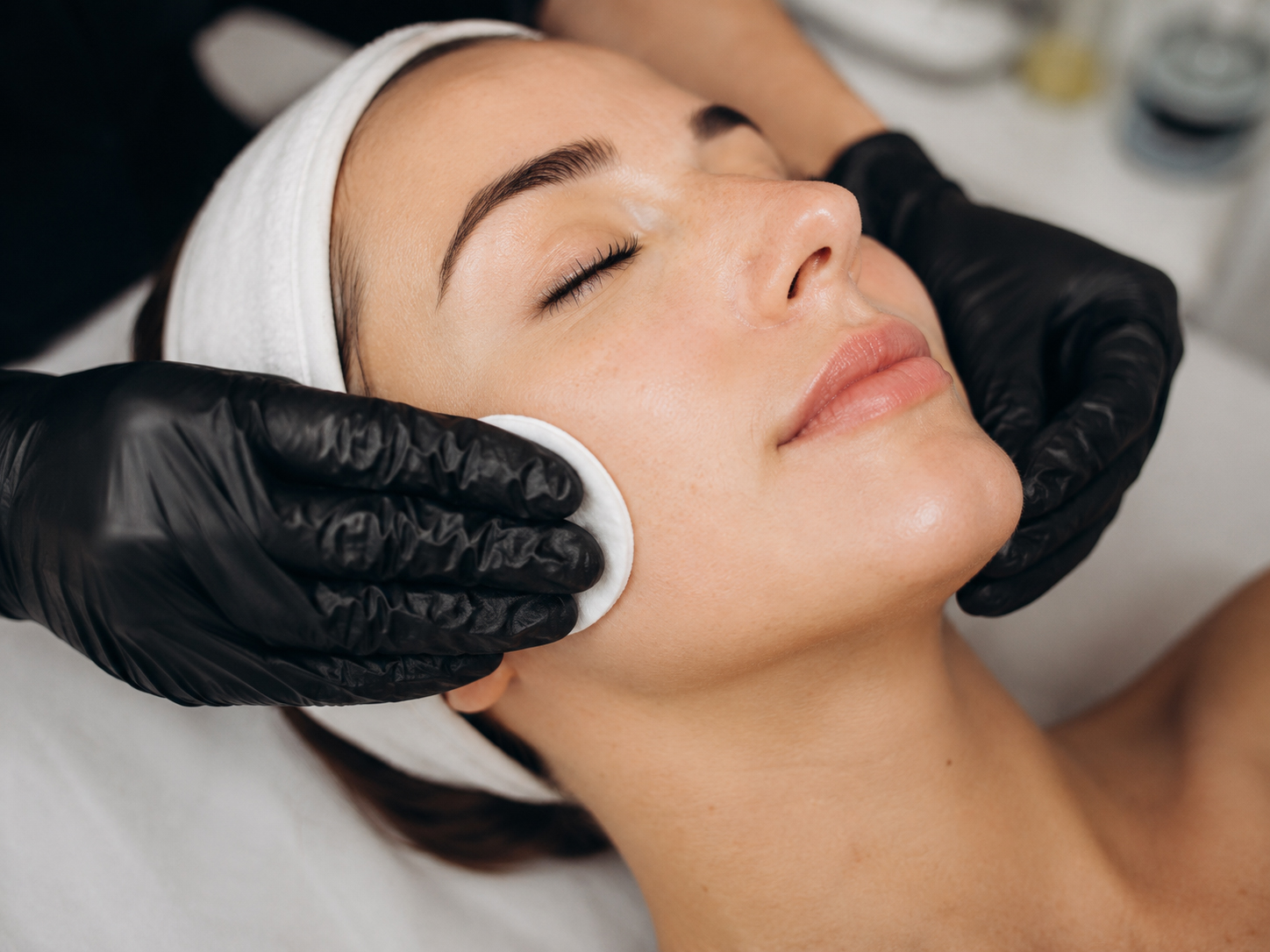
Your Chemical Peel Is Selected and Performed by Dr. Stephen Fink
Chemical peels are medical resurfacing treatments. The safety and outcome of a peel depend on correct patient selection, product choice, strength, application time, skin preparation, and recovery care.
Dr. Fink personally evaluates and performs chemical peel treatments at Newport Faces. He considers skin tone, thickness, sensitivity, pigmentation history, medications, active skin conditions, cold-sore history, previous cosmetic procedures, and tendency toward abnormal scarring.
A peel that is appropriate for one patient may be too weak, too aggressive, or unnecessarily risky for another. Dr. Fink selects treatment depth according to your skin—not according to a one-size-fits-all menu.
The objective is meaningful skin renewal while using an appropriate degree of treatment and recovery for your individual concerns.
What Happens During a Chemical Peel?
The process may vary according to the peel agent and depth, but treatment generally follows four careful stages.
Dr. Fink reviews your skin, medical history, products, medications, and goals.
The skin is cleansed and protected. Some patients may require pretreatment at home.
The selected solution is applied and monitored according to the planned treatment depth.
The skin is soothed or protected, and detailed recovery instructions are provided.
Customized Formula
The solution and strength are selected according to the concern, skin characteristics, and planned depth.
Controlled Application
The skin response is observed during treatment to guide exposure time and completion of the peel.
Structured Aftercare
Healing instructions address cleansing, moisturization, sun protection, skincare products, and follow-up.
Preparing Your Skin for a Chemical Peel
Preparation depends on the planned peel depth, your current skincare routine, and your risk of pigmentation or infection.
Dr. Fink may instruct you to pause selected retinoids, exfoliating acids, scrubs, waxing, depilatories, or other irritating treatments before the procedure. Do not stop prescription medication unless specifically directed by the prescribing clinician.
Patients with a history of cold sores may require antiviral medication. Selected patients may also be given a pretreatment skincare plan to improve even penetration or reduce pigmentation risk.
Avoiding tanning and unprotected sun exposure is important before treatment. Tell Dr. Fink about recent sunburn, active acne treatments, cosmetic procedures, medications, supplements, and changes in your health.
What to Expect After a Chemical Peel
Recovery varies considerably according to peel depth. Treated skin may appear red, tight, dry, irritated, swollen, flaky, or darker before peeling begins.
Do not pick, scratch, pull, or prematurely remove peeling skin. Follow Dr. Fink’s instructions for cleansing, protective ointment, moisturization, medication, makeup, exercise, and skincare products.
Newly treated skin is especially sensitive to ultraviolet exposure. Strict sun avoidance and physician-approved sunscreen are essential to reduce the risk of irregular pigmentation and protect your results.
Improvement becomes more visible as healing progresses. Light peels often produce subtle results that build with repeat treatment, while medium-depth treatment may provide more noticeable smoothing and tone improvement after recovery.
Often Mild Redness, Dryness, or Flaking
Surface healing may take approximately one to seven days, depending on the formula and skin response.
More Visible Redness, Peeling, and Swelling
Visible healing often takes approximately seven to fourteen days, although redness can continue longer.
Longer and More Intensive Recovery
Deeper treatment can involve several weeks of healing and extended redness, with close physician follow-up.
Who May Be a Candidate for a Chemical Peel?
Chemical peels may be appropriate for adults concerned about sun damage, rough texture, fine lines, uneven tone, selected pigmentation, acne, or superficial scars.
Candidacy and peel depth depend on skin tone, pigmentation history, sensitivity, medications, active acne treatments, skin conditions, recent procedures, abnormal scarring, cold sores, general health, and ability to follow aftercare instructions.
Patients with certain skin tones may have a greater risk of temporary or lasting color changes after a peel. This does not automatically prevent treatment, but it makes careful formula selection, preparation, and follow-up especially important.
A chemical peel may not be the best treatment when the primary concern is deep scarring, significant skin laxity, jowls, deep wrinkles, or advanced volume loss. Dr. Fink may recommend laser resurfacing, injectables, surgery, skincare, or another approach instead.
Chemical Peels vs. CO₂ Laser Resurfacing
Both treatments improve skin quality through controlled resurfacing, but they use different technologies and may be appropriate for different concerns and recovery preferences.
Chemical Peels
Chemical solutions are applied to create a controlled exfoliation or resurfacing response. Peel strength can range from light treatments with limited flaking to deeper treatments requiring significant recovery.
Compare Peel DepthsCO₂ Laser Resurfacing
Fractional CO₂ treatment uses laser energy to create microscopic resurfacing zones and may be considered for more significant wrinkles, acne scars, sun damage, or texture concerns.
Learn About CO₂ ResurfacingCan Chemical Peels Be Combined With Other Treatments?
Selected patients may combine chemical peels with other treatments as part of a broader facial rejuvenation plan.
Botox and other neurotoxins address expression lines caused by muscle movement, while dermal fillers restore selected areas of facial volume.
Chemical peels primarily address the skin’s surface, tone, and texture. The order and timing of combined procedures must be planned carefully to avoid excessive irritation and support safe healing.
Dr. Fink will determine whether treatments should be performed separately, in a particular sequence, or after the skin has fully recovered from another procedure.
How Much Does a Chemical Peel Cost in Newport Beach?
The cost of a chemical peel varies because the formula, depth, treatment area, skin preparation, number of sessions, and follow-up needs differ from patient to patient.
A light peel performed as part of a series is different from a medium-depth physician-directed peel requiring more preparation and recovery care.
An exact recommendation and treatment estimate can be provided after Dr. Fink evaluates your skin, reviews your goals, and determines the safest appropriate peel depth.
Chemical Peel FAQs
Who performs chemical peels at Newport Faces?
Which chemical peel is best for my skin?
How much downtime should I expect?
When will my skin begin peeling?
Can I pull or exfoliate peeling skin?
Can chemical peels improve acne scars?
Can a chemical peel tighten sagging skin?
Is a chemical peel appropriate for every skin tone?
How many chemical peels will I need?
What are the possible risks?
How long do chemical peel results last?
When can I wear makeup after a chemical peel?
Chemical Peels Newport Beach: Key Takeaways
Chemical peels may improve dullness, rough texture, sun damage, uneven pigmentation, fine lines, acne, and selected superficial scars. Dr. Stephen Fink personally evaluates and performs chemical peel treatments at Newport Faces Cosmetic Surgery, selecting the formula, strength, depth, preparation, and recovery plan according to each patient’s skin.