
CO₂ Laser Skin Resurfacing in Newport Beach
Refresh sun-damaged, uneven, or aging skin with personalized fractional CO₂ laser resurfacing performed by Dr. Stephen Fink at Newport Faces Cosmetic Surgery.
What Is Fractional CO₂ Laser Skin Resurfacing?
Fractional CO₂ laser resurfacing is an ablative skin-renewal treatment designed to improve visible aging, sun damage, wrinkles, acne scars, rough texture, and other irregularities in skin quality.
At Newport Faces Cosmetic Surgery, Dr. Fink uses a Lutronic fractional CO₂ laser to create precise microscopic treatment columns within the skin. These controlled zones remove selected damaged tissue while leaving surrounding skin available to support healing.
Laser energy also reaches the dermal layer, where the controlled treatment response encourages collagen remodeling. As healing progresses, treated skin may look smoother, firmer, brighter, and more even.
Dr. Stephen Fink customizes the treatment according to skin thickness, pigmentation, treatment area, severity of the concern, previous procedures, desired improvement, and the amount of recovery time the patient can accommodate.
What Can CO₂ Laser Resurfacing Improve?
Fractional CO₂ resurfacing may be considered for patients who want more noticeable improvement in damaged or aging skin than many lighter surface treatments can provide.
- ✓Fine lines and deeper facial wrinkles
- ✓Lines around the mouth and eyes
- ✓Acne scars and selected surgical or traumatic scars
- ✓Sun damage and uneven-looking pigmentation
- ✓Rough, irregular, or weathered skin texture
- ✓Enlarged-looking pores and dull skin quality
- ✓Mild crepey texture and age-related skin changes
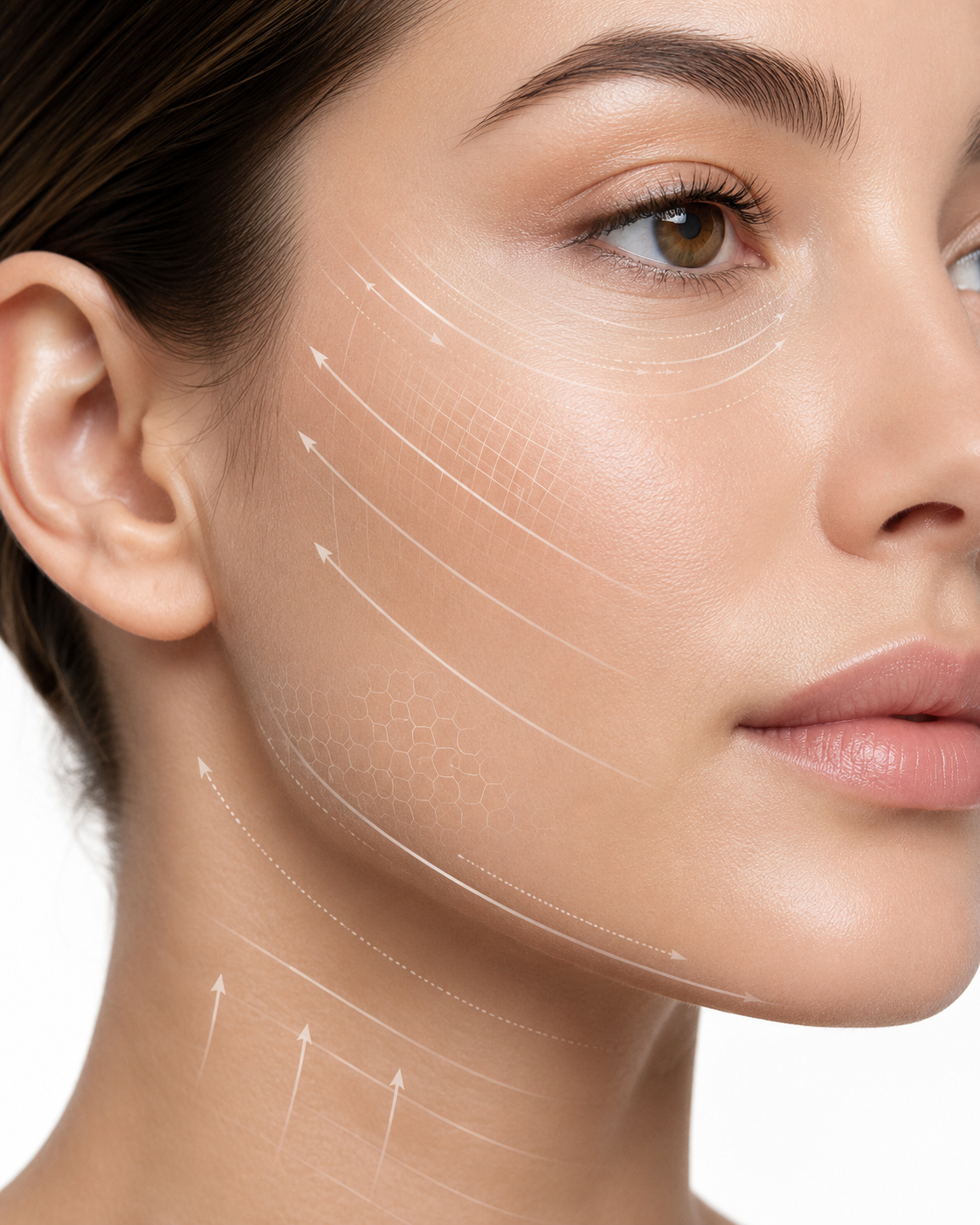
How Fractional CO₂ Laser Resurfacing Works
The platform allows treatment depth, density, energy, and coverage to be adjusted according to the patient and the area being treated.
Dr. Fink evaluates your skin, goals, medical history, and tolerance for downtime.
The skin is cleansed and an individualized comfort plan is used.
Controlled microscopic treatment zones are created at selected settings.
Protective skincare and written recovery instructions support healing.
Precision Treatment
Settings can be adjusted for targeted areas or more comprehensive facial resurfacing.
Fractional Healing
Microscopic treatment zones are surrounded by untreated skin that helps support recovery.
Collagen Remodeling
Skin improvement can continue after surface healing as deeper remodeling progresses.
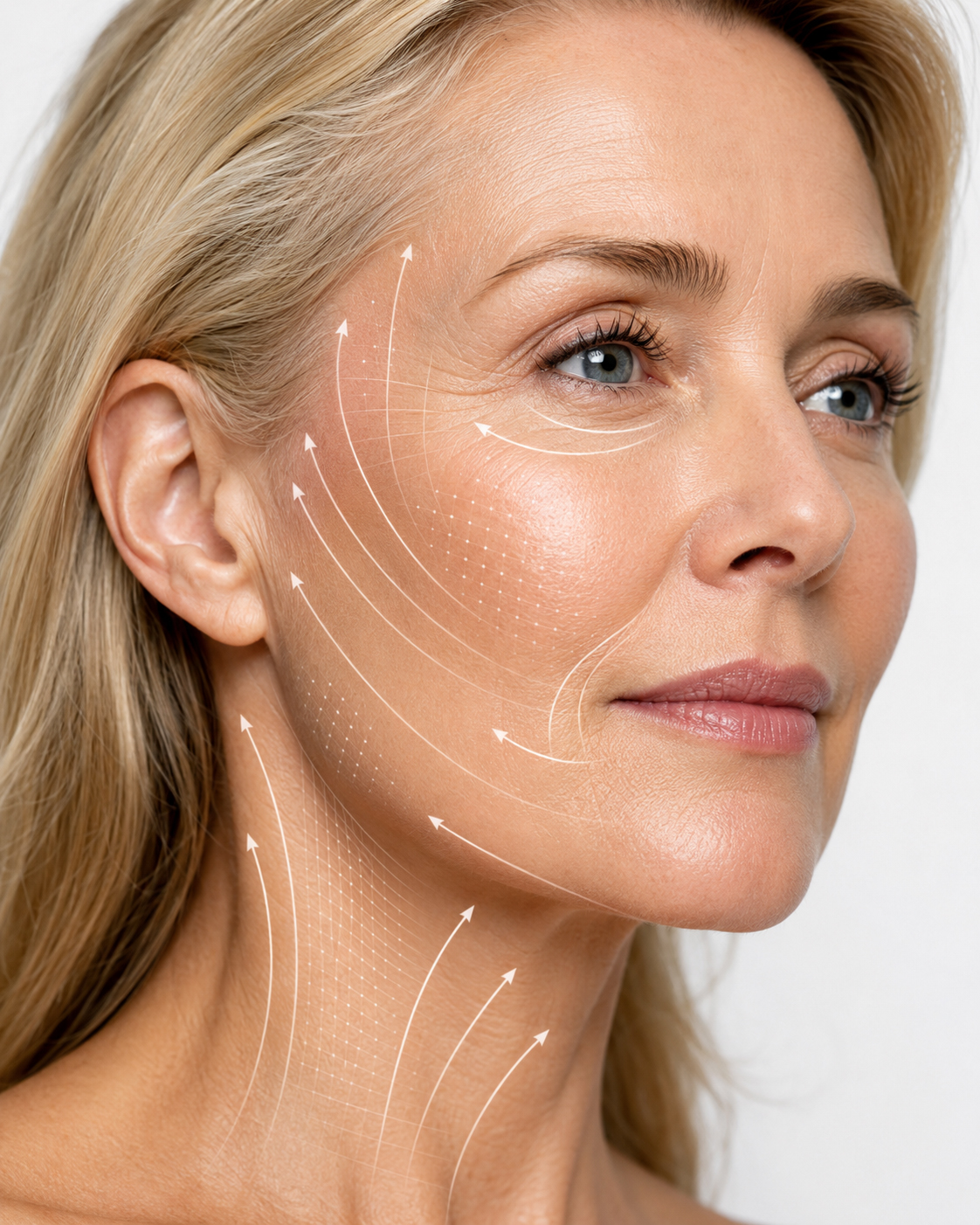
How Fractional CO₂ Resurfacing May Improve Mature Skin
As skin ages, collagen support decreases and years of facial movement and sun exposure may contribute to wrinkles, rough texture, uneven pigmentation, and a less reflective surface.
Fractional CO₂ resurfacing can address selected surface damage while stimulating a controlled healing response beneath the skin. Patients may notice progressive improvement in texture, fine lines, firmness, and overall skin quality as healing and collagen remodeling continue.
The educational markings shown in this image represent common areas of concern—not a guarantee of outcome. Dr. Fink determines candidacy and treatment settings during a personal consultation.
Who May Be a Candidate?
CO₂ laser resurfacing may be appropriate for adults concerned about wrinkles, scars, sun damage, uneven texture, or other visible changes in skin quality.
Candidacy depends on skin tone, pigmentation history, medications, prior procedures, tendency toward abnormal scarring, active skin conditions, history of cold sores, general health, and willingness to follow detailed aftercare instructions.
Some patients may be better suited for a lighter laser treatment, a chemical peel, injectables, surgery, or a combined plan. The safest recommendation can only be made after an in-person evaluation.
What to Expect After CO₂ Laser Resurfacing
Immediately after treatment, the skin may appear red, swollen, warm, and sensitive—similar to a strong sunburn. Depending on treatment intensity, the skin may later feel tight, peel, flake, or develop light crusting.
Initial surface healing often occurs within approximately five to seven days after moderate treatment, while deeper resurfacing may require up to about two weeks of visible recovery. Pinkness can remain after the surface has healed.
Patients should not pick, peel, scratch, or rub treated skin. Dr. Fink will provide instructions regarding cleansing, protective ointment, medication, moisturization, exercise, makeup, skincare products, and sun protection.
Many patients begin noticing improvement after the initial redness and peeling subside. Texture, fine lines, tone, and skin quality may continue improving over the following weeks and months as collagen remodeling progresses.
CO₂ Laser Skin Resurfacing FAQs
How much does CO₂ laser resurfacing cost in Newport Beach?
Is there downtime after fractional CO₂ laser treatment?
Can one CO₂ laser treatment be enough?
What is the difference between ablative and non-ablative laser treatment?
Can fractional CO₂ resurfacing improve acne scars?
Will CO₂ laser resurfacing tighten loose skin?
Is CO₂ resurfacing appropriate for every skin tone?
When can I wear makeup after treatment?
How long do the results last?
What are the possible risks?
CO₂ Laser Skin Resurfacing Newport Beach: Key Takeaways
Fractional CO₂ laser skin resurfacing may improve wrinkles, acne scars, sun damage, uneven pigmentation, enlarged-looking pores, and rough texture. Dr. Stephen Fink creates an individualized treatment and recovery plan at Newport Faces Cosmetic Surgery in Newport Beach.